


Monday, November 9, 2026
6:00 p.m. - 7:15 p.m. EST
Location: Dahlgren Chapel of the Sacred Heart and Livestreamed
Monday, November 9, 2026
6:00 p.m. - 7:15 p.m. EST
Location: Dahlgren Chapel of the Sacred Heart and Livestreamed
Pope Leo, an American-born pope descended from both enslavers and enslaved people, surprised many when, in his encyclical Magnifica Humanitas, he apologized for the Catholic Church’s historic complicity in slavery. He made clear that this apology was only the beginning; “what we have learned,” he wrote, “must be translated into discernment and responsibility in the present.”
This dialogue between Catholic leaders and scholars of the history of slavery will explore how the Church can respond with “discernment and responsibility” to its role in past injustice. At Georgetown University, this discussion is particularly important given our ongoing commitments to respond, to reflect on, engage with, and learn from its historical ties to slavery. The participants will explore how the Church, as well as Catholic institutions and individuals, can safeguard the truth about human dignity while acknowledging past failures, and how this history can inform Catholics’ response to new forms of exploitation in the digital age.
Kimberly Mazyck, associate director for engagement of the Initiative on Catholic Social Thought and Public Life, will moderate the conversation.
Rev. Mark Bosco, S.J., vice president for Mission & Ministry, and Joseph Ferrara, senior vice president for strategic engagement and senior advisor to the president, will offer opening remarks.
Georgetown University’s Dahlgren Dialogues, co-sponsored by the Office of Mission & Ministry and the Initiative on Catholic Social Thought and Public Life, are a series of substantive conversations with experienced leaders in the context of prayerful reflection on current topics at the intersection of faith and public life.
This dialogue is also co-sponsored by Georgetown’s Center for the Study of Slavery and Its Legacies.
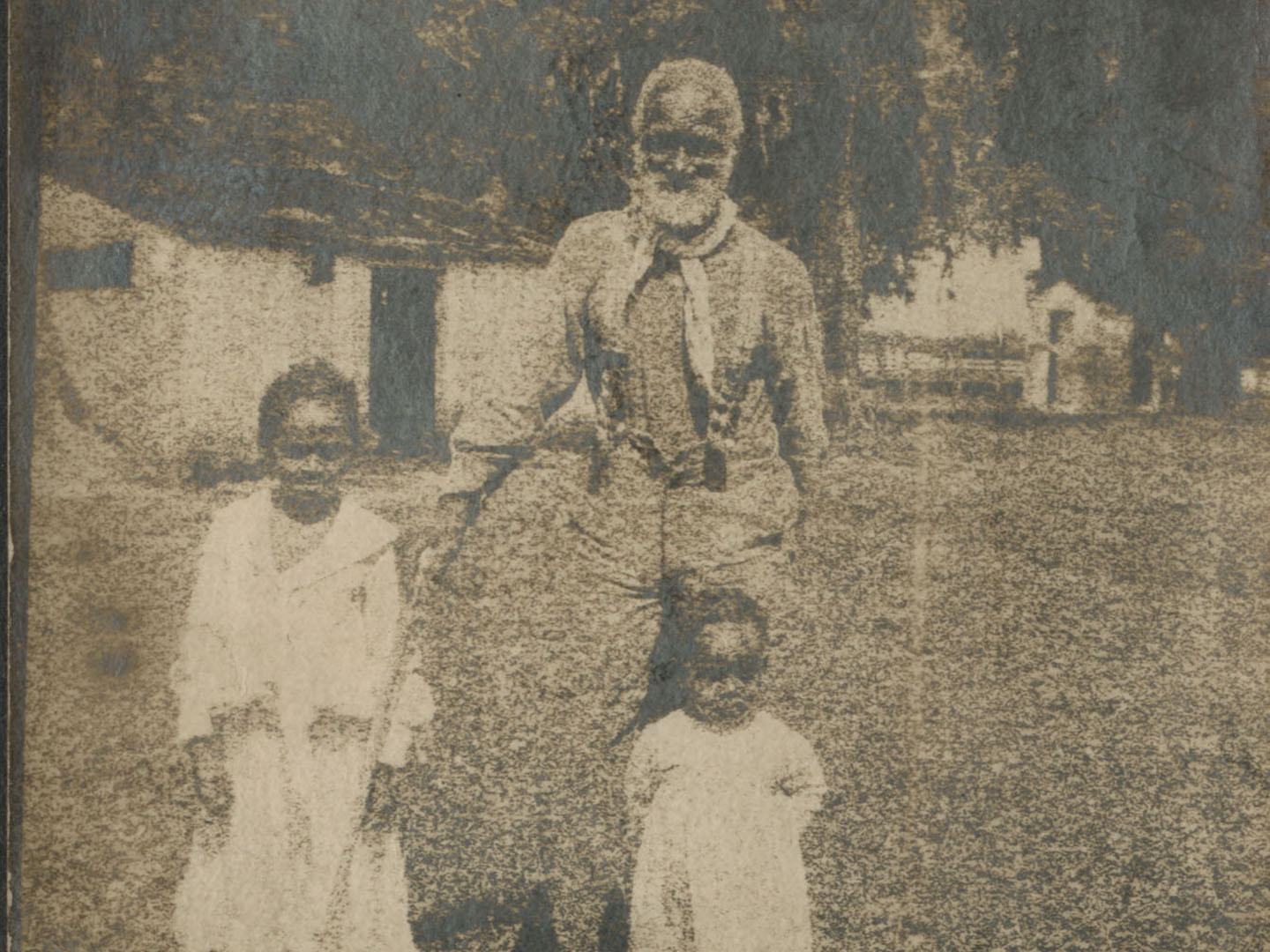
The photo of Frank Campbell and two children is taken from the Georgetown Slavery Archive. Campbell was one of the Maryland Jesuit slaves sold in 1838.
The dialogue starting at 6:00 pm EST will be recorded and posted online for later viewing.
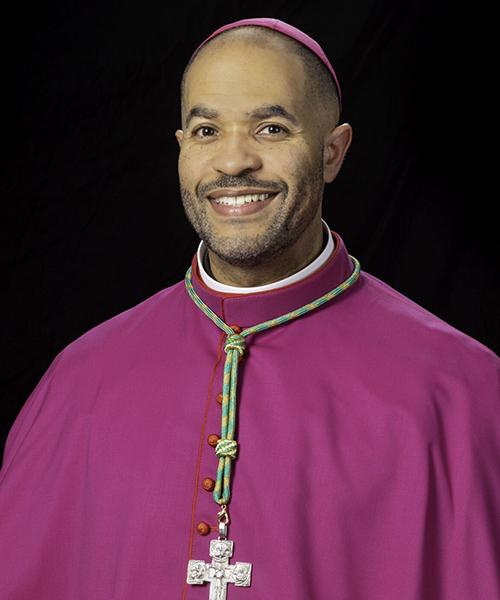
Bishop Robert Boxie III is the youngest bishop in the United States, appointed by Pope Leo XIV in May 2026 to be a new auxiliary bishop of the Archdiocese of Washington. He is the Catholic chaplain for Howard University and has been a priest in the Archdiocese of Washington since 2016.
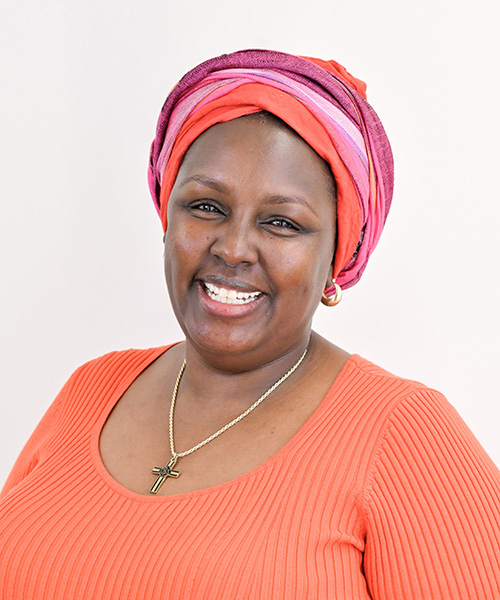
Sr. Mūmbi Kīgūtha, CPPS, CPPS, is the president of Friends in Solidarity (FIS), the U.S. partner of Solidarity with South Sudan. Mūmbi is the founder/director of Watawa wa Taa, an initiative aimed at reimagining and revitalizing religious life for African women, and is co-founder/co-director of Kuibuka, a project that offers workshops for African sisters and conducts research on the safeguarding of sisters.
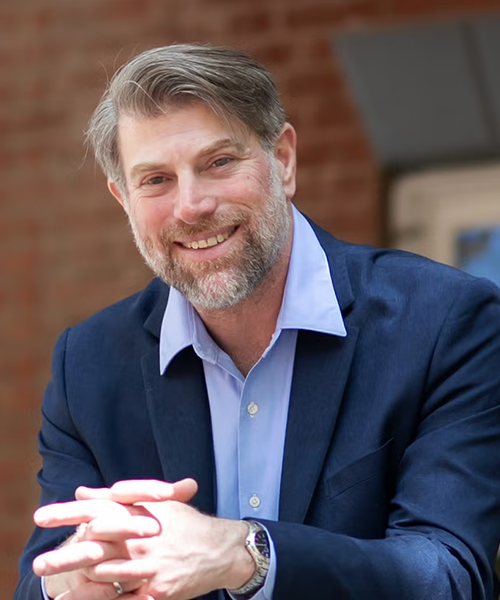
Adam Rothman is a professor in the history department and director of Georgetown’s Center for the Study of Slavery and Its Legacies. Adam studies the history of the United States from the Revolution to the Civil War, and the history of slavery and abolition in the Atlantic world. He is the co-editor of Facing Georgetown's History: A Reader on Slavery, Memory, and Reconciliation (2021).
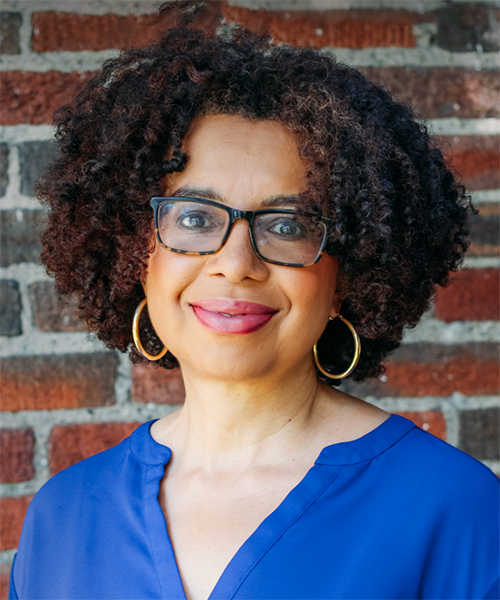
Rachel Swarns is a journalist, author, and associate professor of journalism at New York University. She writes about race and history as a contributing writer for the New York Times, and her articles about Georgetown University’s roots in slavery touched off a national conversation about American universities and their ties to this painful period of history. She is the author of The 272: The Families who Were Enslaved and Sold to Build the American Catholic Church (2023).
All accommodation requests should be sent to cathsocialthought@georgetown.edu by November 6. A good-faith effort will be made to fulfill requests.