Tuesday, June 2, 2026
3:00 p.m. - 4:15 p.m. EDT
Location: Online via Livestream
Tuesday, June 2, 2026
3:00 p.m. - 4:15 p.m. EDT
Location: Online via Livestream
Pope Leo’s first encyclical, Magnifica Humanitas (“Magnificent Humanity”), comes as humanity’s relationship with technology undergoes an epochal change. This major document — the most significant of Leo’s pontificate so far — asks us to consider what it means to promote the common good and safeguard the human person in a context of rapidly developing technology, especially the development of artificial intelligence. Pope Leo insists that this is not a moment for passive adaptation. The encyclical calls us to ask, in every context – work, family, education, public life – whether our technologies are serving human dignity or eroding it.
This dialogue will explore how technological changes can enhance, rather than replace, humanity’s co-creative relationship with God. It will also consider what new divisions we might face if we allow new technologies to replace our capacities for reflection and communion. Five leaders will discuss the new encyclical’s wide-ranging implications.
Kim Daniels, director of the Initiative on Catholic Social Thought and Public Life, will moderate the conversation.
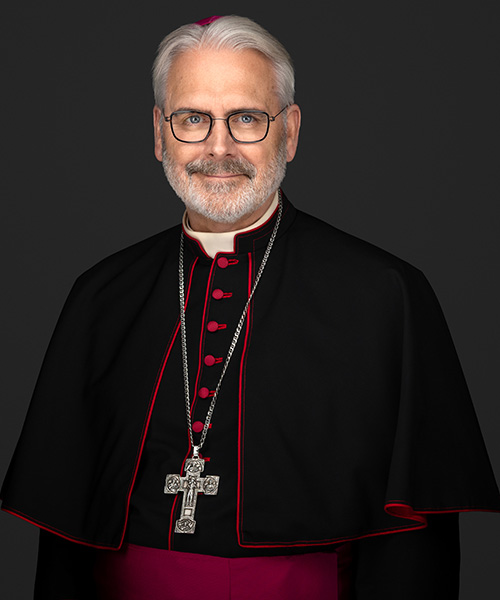
Archbishop Paul Coakley is the president of the United States Conference of Catholic Bishops (USCCB) and the archbishop of the Archdiocese of Oklahoma City.
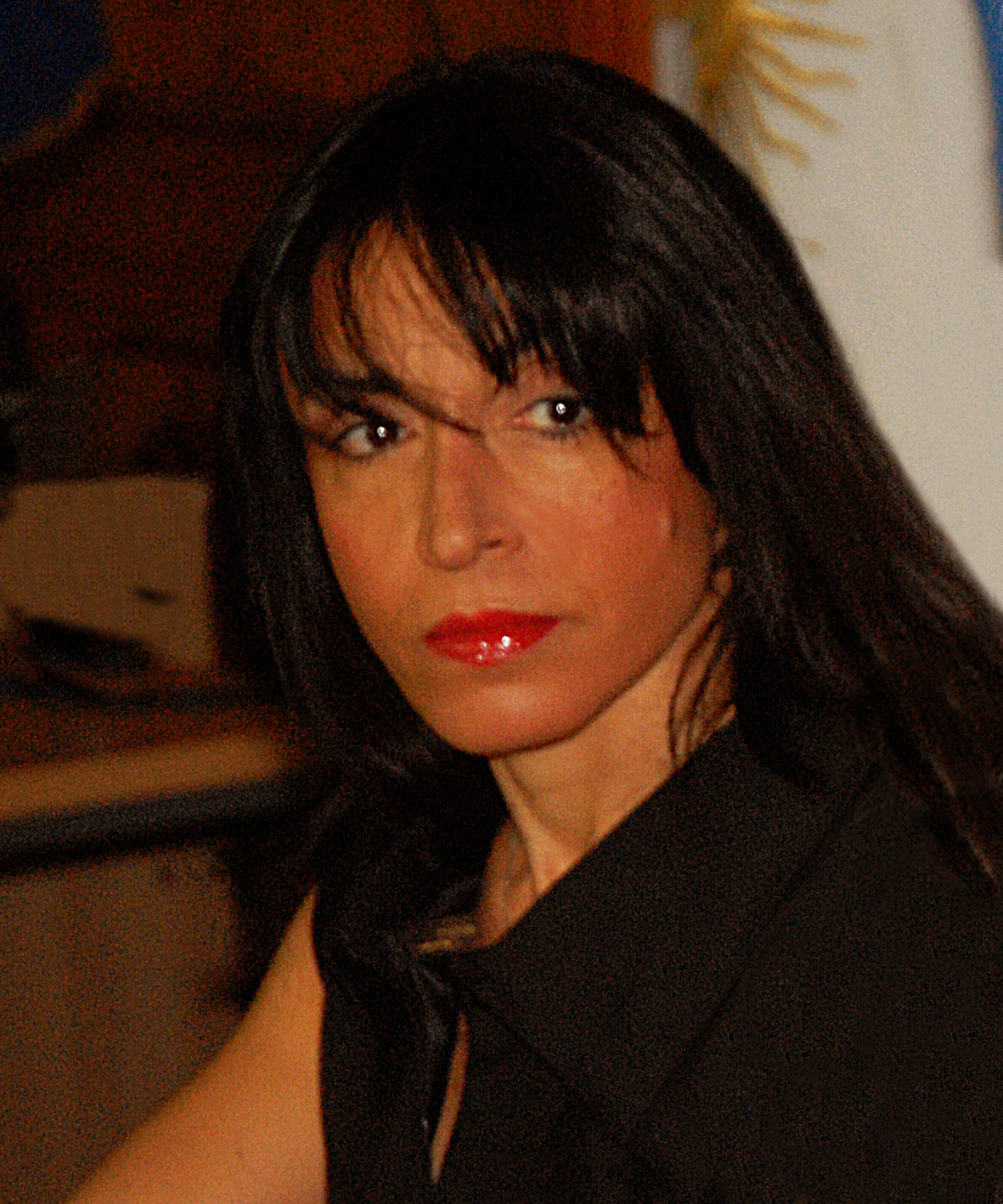
Emilce Cuda is an Argentinian theologian and secretary of the Pontifical Commission for Latin America at the Holy See, where she worked closely with Cardinal Robert Prevost, now Pope Leo XIV, and was an advisor to Pope Francis.
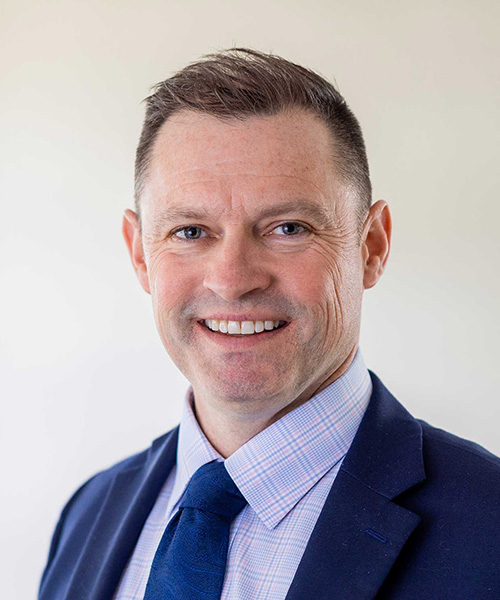
Daniel Daly is the founding executive director of the Center for Theology and Ethics in Catholic Health, sponsored by the Catholic Health Association. He is the co-host of the podcast Ethics on Call, which has explored the intersection of AI, human dignity, and Catholic teaching.
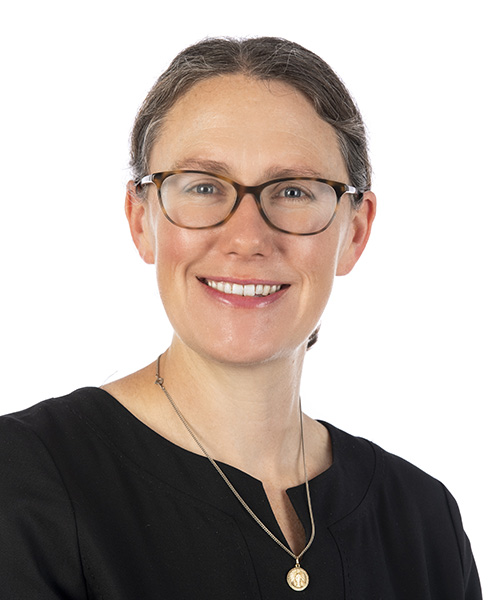
Meghan Sullivan is the Wilsey Family College Professor of Philosophy at the University of Notre Dame and is the founding director of Notre Dame’s Institute for Ethics and the Common Good, where she leads the DELTA Network, a major effort to develop a shared, faith-based ethical framework for scholars, religious leaders, tech leaders, and others to discern appropriate uses of artificial intelligence.
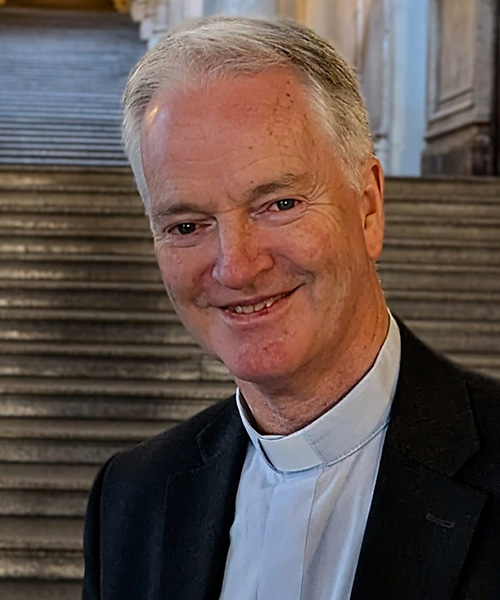
Bishop Paul Tighe is the secretary of the Vatican’s Dicastery for Culture and Education and a leading Vatican expert on AI. He has participated in the Rome Call for AI Ethics and the Minerva Dialogues. He is the former secretary of the Pontifical Council for Social Communications.
All accommodation requests should be sent to cathsocialthought@georgetown.edu by Friday, May 29. A good-faith effort will be made to fulfill requests.