This Latino Leader Gathering examined some of the most important dynamics shaping Latino communities and politics in a time of rapid change and asked how the Catholic Church might facilitate spaces of dialogue and discernment to strengthen Latino political life.
As the Latino electorate moves steadily into the American middle class, millions of Latinos still struggle with poverty, disenfranchisement, and low levels of education. While many have lived in the United States for generations, many others have only recently arrived in the country. And while Latino communities have strong social ties, many often show low rates of electoral political engagement.
As political parties, businesses, and organizations increasingly recognize the changing priorities of this diverse electorate, does the leadership of the Catholic Church in the United States signal any recognition of these patterns? Can the Church help navigate the tensions between Latino identity politics and aspirational politics? How can Church organizations help ensure that politics maintains a focus on the common good and the continued wellbeing of Latinos while continuing to forefront the concerns of the most vulnerable?
Hosffman Ospino, professor of theology and education at the Boston College Clough School of Theology and Ministry, gave opening remarks. Christian Soenen, projects manager of the Initiative on Catholic Social Thought and Public Life, moderated the conversation.
This gathering had three parts:
6:00 - 7:00 p.m. | Welcoming Happy Hour
Meet and network with other young leaders over food and drink.
7:00 - 8:00 p.m. | Latino Leader Gathering
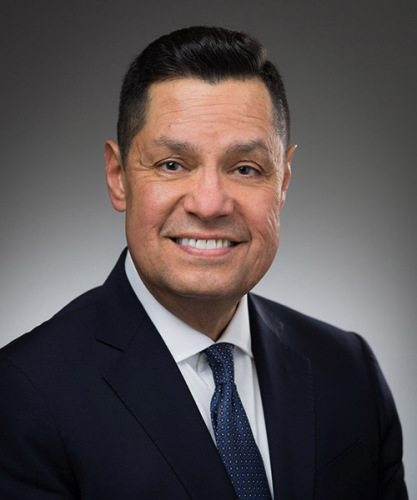
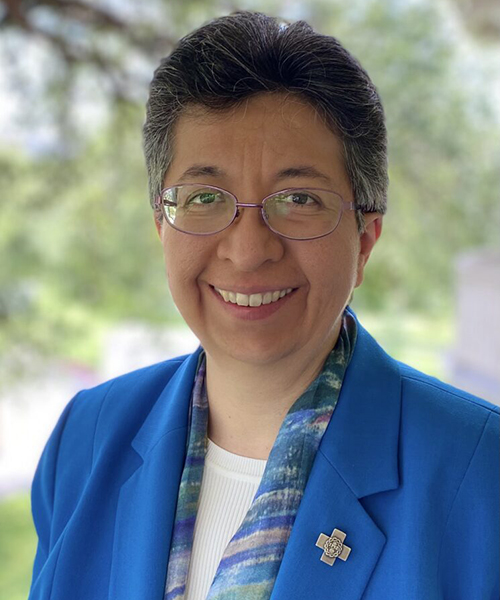
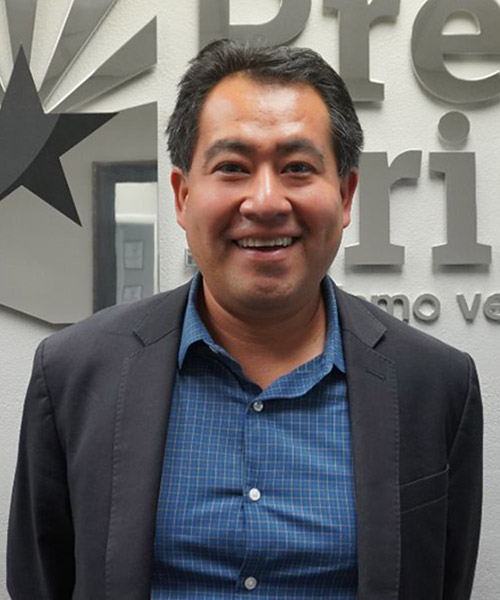
A conversation on “Latino Political Power in Flux: Aspiration, Identity, and the Common Good” with four leaders.
8:00 - 9:00 p.m. | Reception
Continue the conversation with other young leaders over food and drink.
This Latino Leader Gathering was for young adult Catholics to come together to explore links between faith, Catholic social thought, and their lives and work, especially on public policy.
Resources
View articles and other resources for this dialogue.