Skip to Initiative on Catholic Social Thought and Public Life Full Site Menu Skip to main content
April 16, 2026

Infectious Disease and the Preferential Option of the Poor and Vulnerable

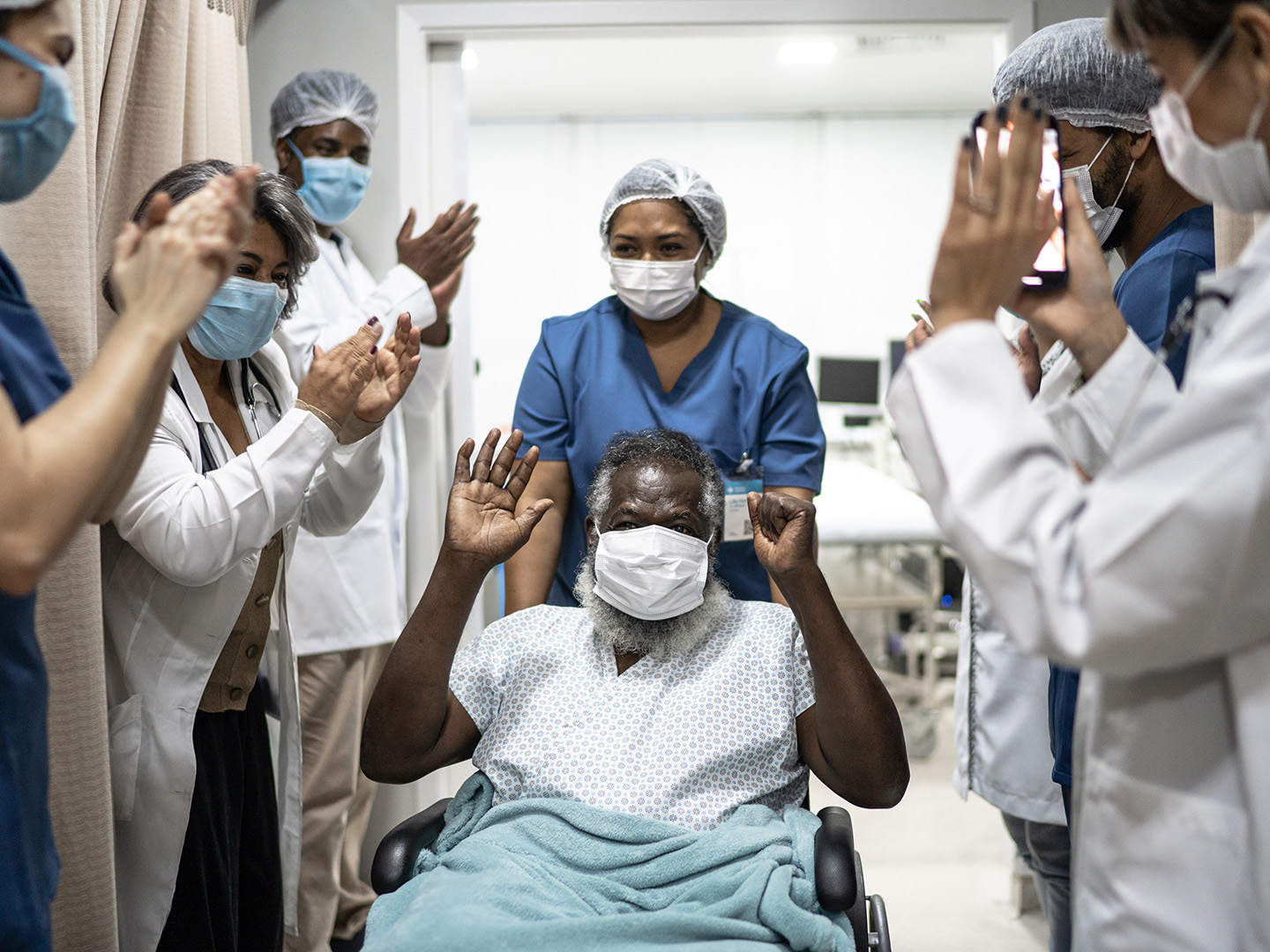
Doctors and nurses celebrating senior man leaving the hospital after recovery - wearing protective face mask

In the words of the late Dr. Paul Farmer, “any serious examination of epidemic disease has always shown that microbes also make a preferential option for the poor. But medicine and its practitioners, even in public health, do so all too rarely. ”

This conversation addressed how poverty increases people’s susceptibility to disease, creates barriers to care, and how Catholic social teaching influences the prevention and treatment of infectious diseases.

Throughout the history of the Catholic Church, some of the greatest saints have been those who cared fearlessly and compassionately for people suffering from infectious disease. While the Gospels hold many stories of healing, they also reveal the ostracism these people endured. Poverty and stigma often leave communities less equipped to prevent, control, and treat infectious diseases in those who become ill. We explored how multiple forms of marginalization and social exclusion can act as a symptom of and contributor to infectious disease, and how a preferential option for the poor and an affirmation of the dignity of every person can form an ethic of care centered on those most vulnerable to infectious diseases.

A social hour beginning at 6:00 p.m. preceded the conversation. Dinner was provided.

This in-person gathering was co-sponsored by the Georgetown University Initiative on Catholic Social Thought and Public Life and Magis GUSOM, a student group at Georgetown University’s School of Medicine.

Participants

Dr. Michael Cappello

Dr. Michael Cappello

Dr. Michael Cappello (M’88) is professor and chair of the department of epidemiology of microbial diseases at the Yale School of Public Health, and professor of Pediatrics and Microbial Pathogenesis at Yale Medical School. He provides clinical care as an infectious diseases specialist at Yale New Haven Children’s Hospital and is co-founder of the Yale Partnerships for Global Health, an initiative that advances scientific knowledge, promotes international understanding, and builds human capacity through collaborative research and training.

Dr. Anne Cardile

Dr. Anne Cardile

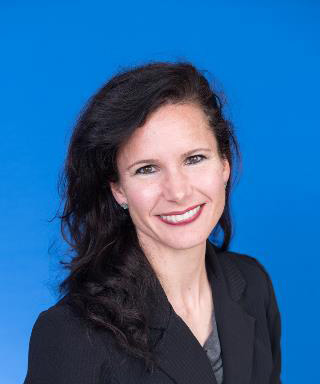
Dr. Anne Cardile (M’01) is the medical director for the health care for the homeless program at Unity Health Care, a network of community health centers in Washington, DC. She is dedicated to expanding access to quality health care and social services for our neighbors experiencing homelessness.

Fr. Armel Setubi, S.J.

Fr. Armel Setubi, S.J.

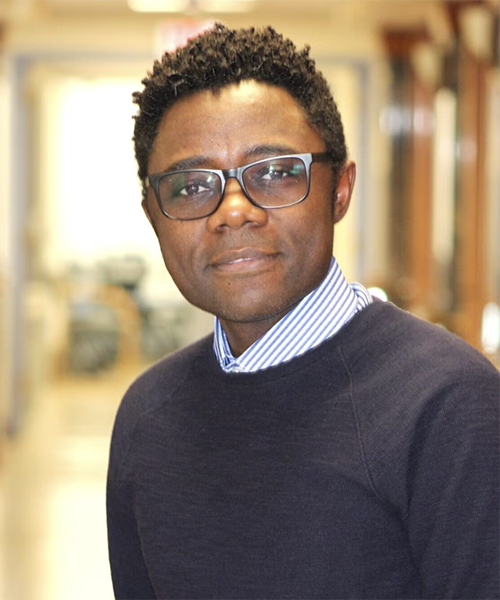
Fr. Armel Setubi, S.J. is a Ph.D. student in infectious disease in the global infectious disease program at Georgetown University and a member of the research team at the Center for Global Health Practice and Impact. His areas of interest include studying host-pathogen dynamics and immune response, and how epidemiological, clinical, and biological information can help assess disease virulence, drug resistance, treatment efficiency, and health outcomes.